The Listing Lead Photo: The Highest-Leverage Decision Agents Make
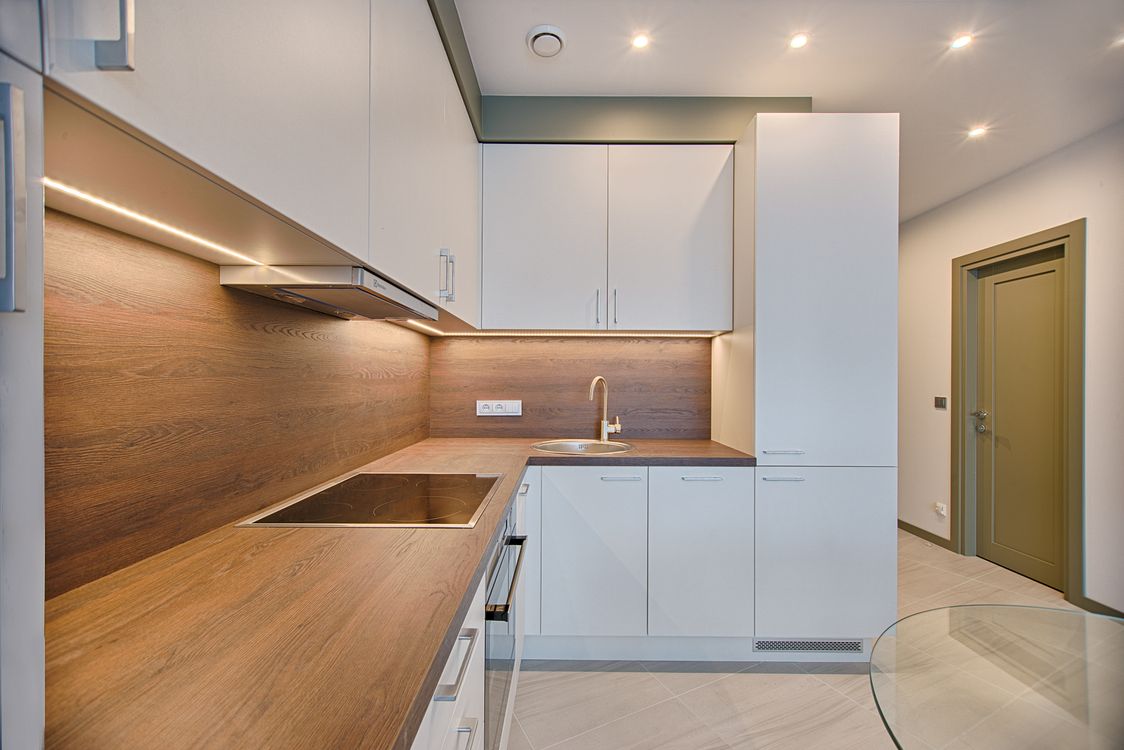
One Image, Outsized Impact
Every listing contains dozens of data points. Square footage. Bedroom count. Price. Neighborhood. But the single element that determines whether a buyer clicks through or scrolls past is the lead photo.
This is not a design opinion. It is a measurable reality of how listing platforms work.
The Mechanics of Attention
On major listing portals, search results display a thumbnail, a price, and a brief summary. The thumbnail—your lead photo—occupies roughly 60% of the visual weight in that result card.
Buyers make a click-or-skip decision in under two seconds. The lead photo carries nearly all of that decision.
What Works
High-performing lead photos share consistent characteristics:
Composition
- Wide-angle interior shots of the primary living space
- Natural light as the dominant source
- Clean sight lines without visual clutter
- Depth—the image pulls the viewer into the space
What Underperforms
- Exterior street-level shots (especially in dense neighborhoods)
- Drone shots (impressive but impersonal for the lead position)
- Kitchen close-ups without spatial context
- Any image where the photographer shadow is visible
The Audit Framework
When evaluating a listing lead photo, ask three questions:
- Does this image make the viewer want to see more?
- Does it communicate space and light?
- Is it differentiated from the adjacent listings in search results?
If the answer to any of these is no, the lead photo is costing you engagement.
Implementation
Changing a lead photo takes thirty seconds. The impact on listing performance can be measured within 48 hours through view-count changes on most platforms.
This is the highest-leverage, lowest-effort improvement available to any agent on any listing.